History
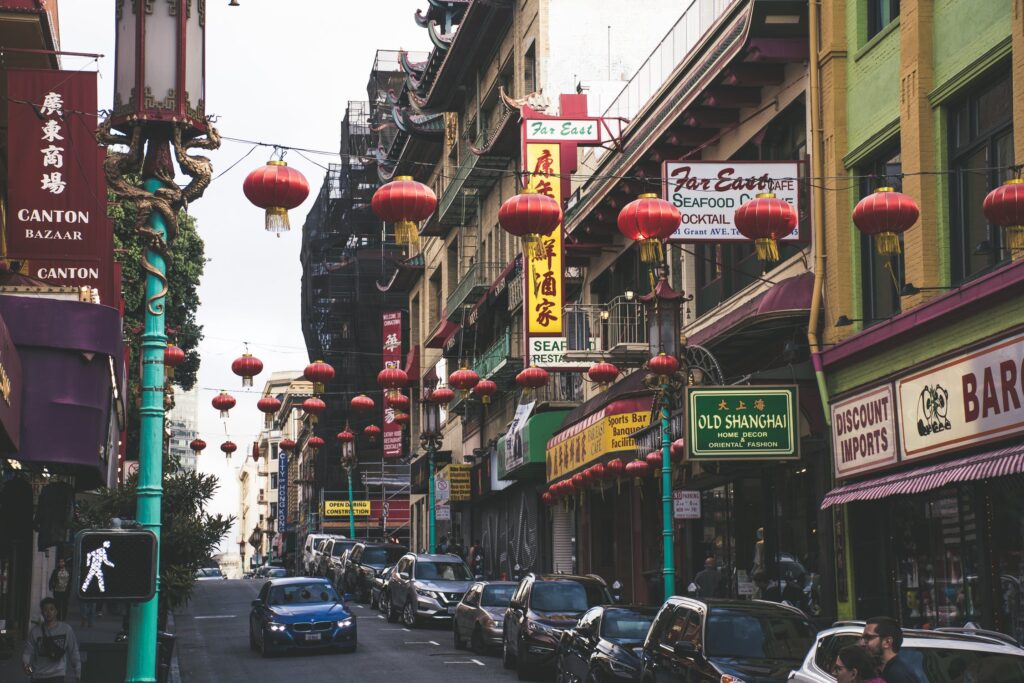
Chinese-language movie theaters in North America have played a key role in the transnational circulation of East Asian popular culture for over a century. As early as the 1910s, cinemas, Chinese opera houses, and non-theatrical venues in various Chinatowns sporadically screened Chinese-language films, gradually forming an informal exhibition circuit by the 1930s.
The most significant period of expansion began in the 1960s and continued through the early 1980s, driven by Hong Kong studios’ efforts to reach overseas audiences and by changes to U.S. and Canadian immigration laws that enlarged Chinese diaspora communities. During this peak era, more than 50 North American cities developed dedicated theaters or community spaces that screened Cantonese and Mandarin film prints—distributed, sold, or rented through Hong Kong studios and transnational distribution networks.
The aim of this project is to document the histories of these theaters—the majority of which no longer exist in physical form—drawing on archival materials, personal collections, government records, newspapers, ephemera, and oral histories.


Why Chinese-Language Movie Theaters Matter
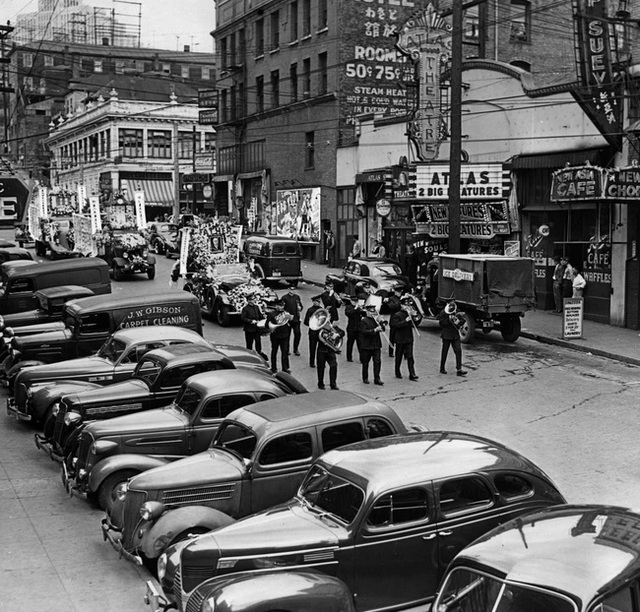
Chinese-language theaters have played a foundational role in the transnational movement of East Asian popular culture for over a century. Beginning in the late 1910s, Chinatown venues intermittently screened Chinese-language films, forming an informal exhibition circuit by the 1930s. The major period of growth occurred from the 1960s through the early 1980s, supported by Hong Kong studios and demographic changes that expanded Chinese communities across North America.
Early Chinese performance culture—especially Cantonese opera—created the foundation for later film circulation, forming a trans-Pacific performance network by the 1920s. As sound cinema emerged, films drew heavily on opera performers and narratives. The 1920s and 1930s brought early distribution networks, including Harold L. Lee’s Great Wall Film Company and Moon Kwan’s Grandview Film Company, which imported films from Shanghai and later Hong Kong.
After WWII, the flow of films increased dramatically, supported by the rise of Hong Kong’s major studios like Shaw Brothers. From the 1960s onward, theaters proliferated across North America, each shaped by local migration histories, advertising practices, neighborhood geographies, and shifting audience tastes. Many theaters closed in the 1980s and 1990s due to home video, cable TV, changes in Hong Kong cinema, and the effects of gentrification.
Despite this decline, the legacy of these theaters remains vital. They formed cultural hubs for Chinese diaspora communities and introduced East Asian cinema to broader North American audiences—laying the groundwork for contemporary global enthusiasm for Asian media.
Our Research Approach
To uncover these histories, the project draws together:
- Archival research
- Ephemera
- English and Chinese-language newspapers
- Advertising materials
- Government records
- Oral histories
These sources help reconstruct film circulation patterns, community networks, and the evolution of theaters in specific cities such as New York, Boston, Los Angeles, and Washington D.C.
North American cities differ in their migration histories, neighborhood geographies, and advertising practices, making each city distinct as individual histories and theaters often require different sources. Despite these differences, many theaters have left behind only fragmentary records, making reconstruction dependent on scattered archives and community memory.
Our Research Team
This project was developed by an interdisciplinary team of researchers, students, and collaborators working across archival studies, digital humanities, and Asian American media history.
The team brings together expertise in film research, data management, GIS cartography, web design, and oral history collection.

Project Lead
description

Title
description
Student Researchers
A collaborative team of students contributing to:
- archival and newspaper research
- GIS mapping and theater documentation
- oral history outreach
- digital storytelling and website design
Current team members:
- [Name]
- [Name]
- [Name]
- [Name]
